
Our Story
A House With a Soul.
Inside the ramparts of Galle Fort stands a house shaped by history, character and generations of stories.
Discover the houseThe story of the house
More Than a Stay. A House With a Past.
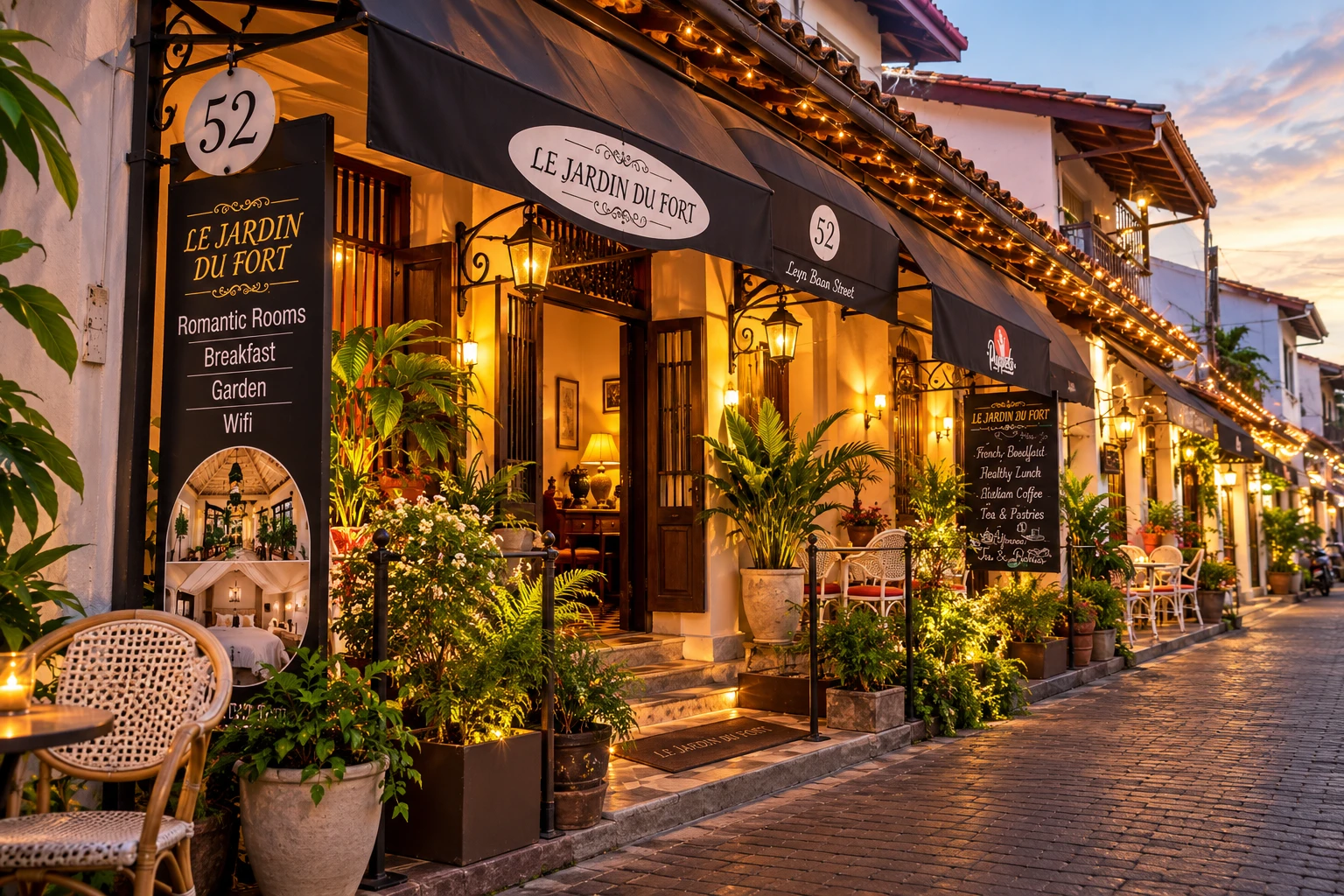
Tucked along Leyn Baan Street in historic Galle Fort, Le Jardin du Fort is a house shaped by centuries of history.
Its archways, long proportions, courtyard, timber details, antique furniture and collected objects preserve the character of a lived-in home.
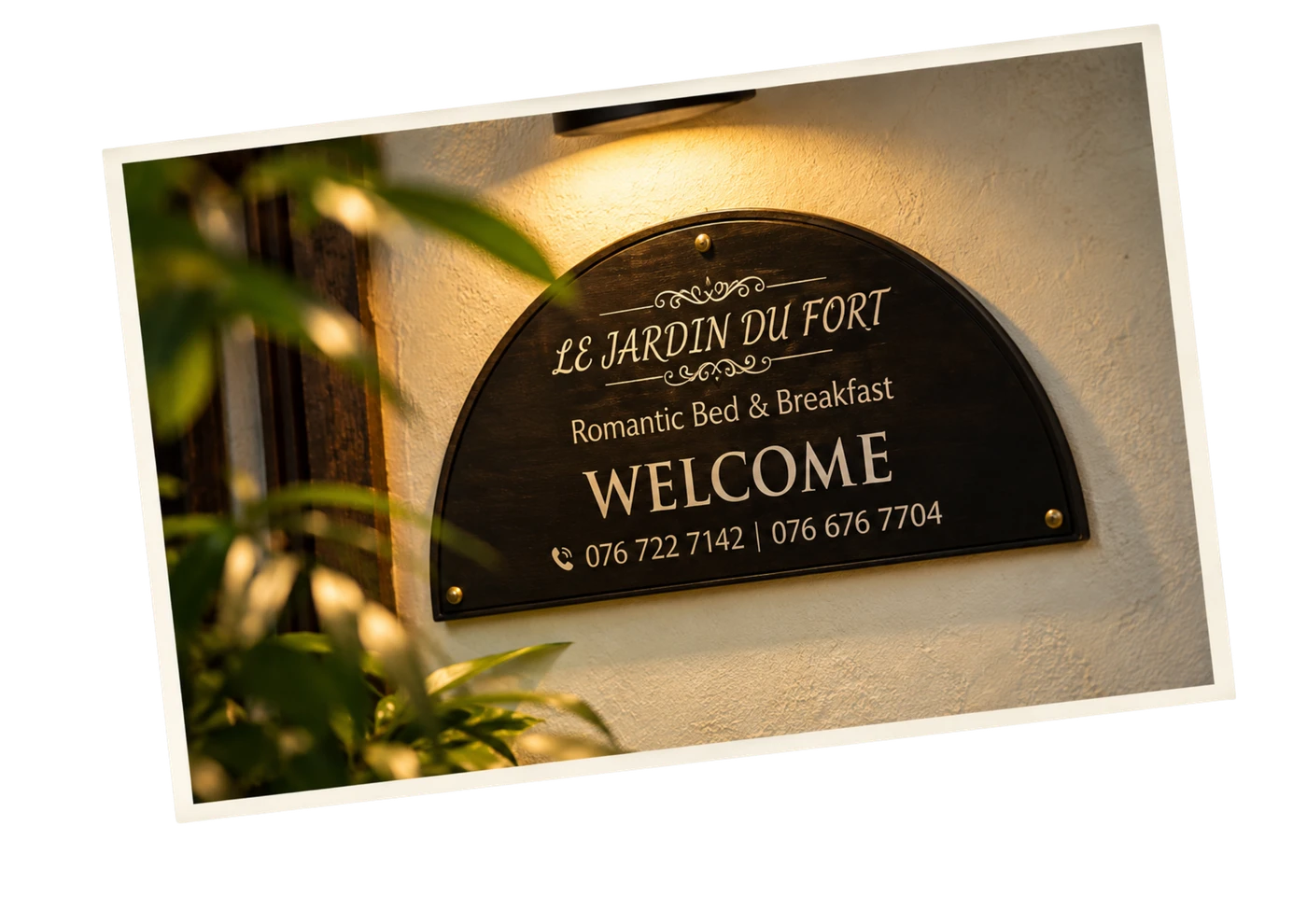
Historical, to Say the Least…
Galle Fort carries layers of Portuguese, Dutch and British influence, and this house holds stories of its own.
Generations along Leyn Baan Street once made coconut ropes for ships in the nearby harbour, while the house’s long form and backyard reflect the practical architecture of another era.
Later restored and given a new chapter as Le Jardin du Fort and Puppets Restaurant & Café, the house continues to tell its story through its architecture, antique objects, puppets and masks.
“This is a home before it is a hotel.”
From the house
The Story Continues.
A House With a Soul
To us, Galle Fort is a place where history still feels close enough to touch.
Its Portuguese, Dutch, British and Sri Lankan influences remain visible in its architecture, old walls, façades and traditions.
When we came to live here, we found an old building that had once been used as a rope workshop.
We carefully renovated it while preserving as much of its original character as possible.
“We wanted the house to remember.”
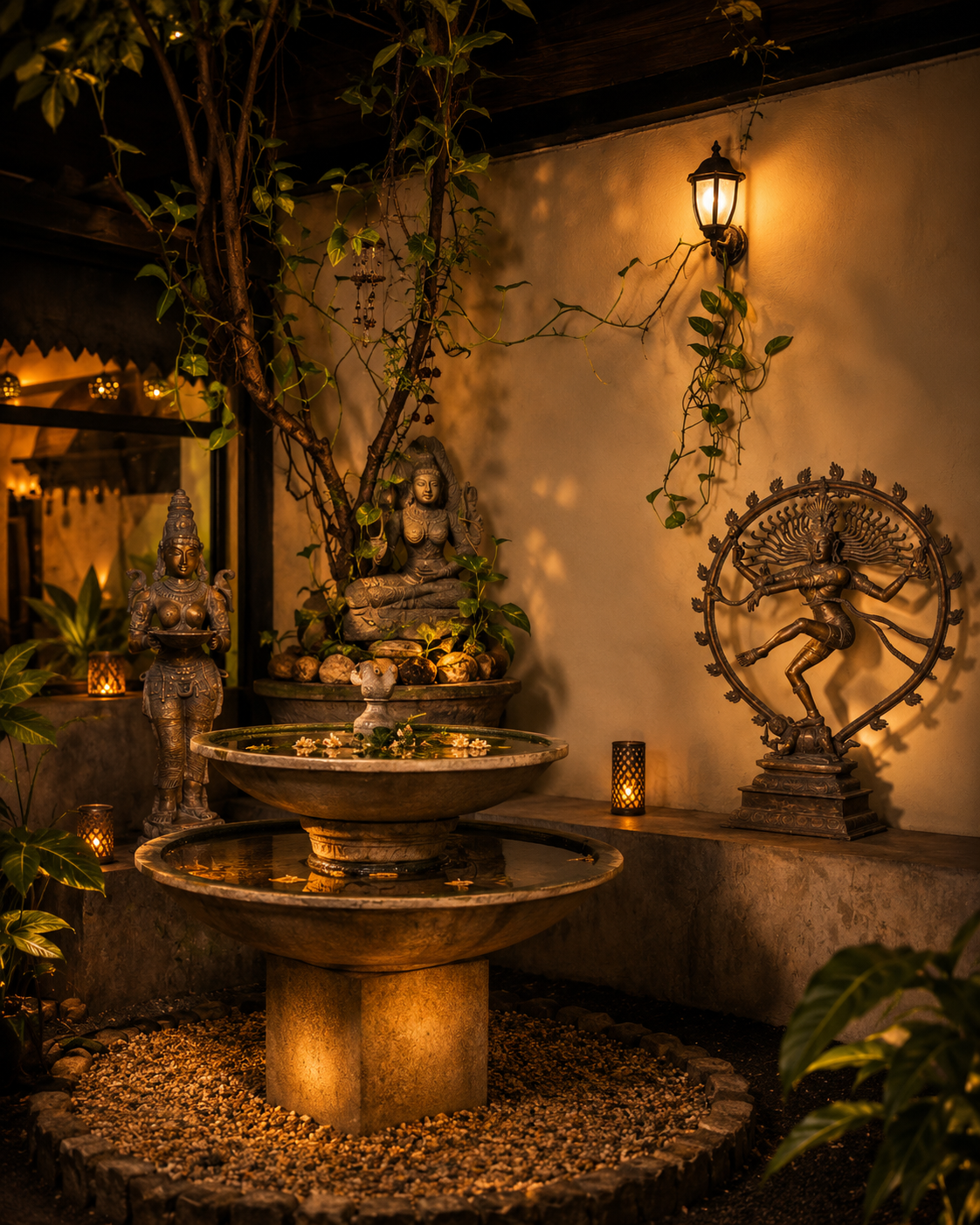
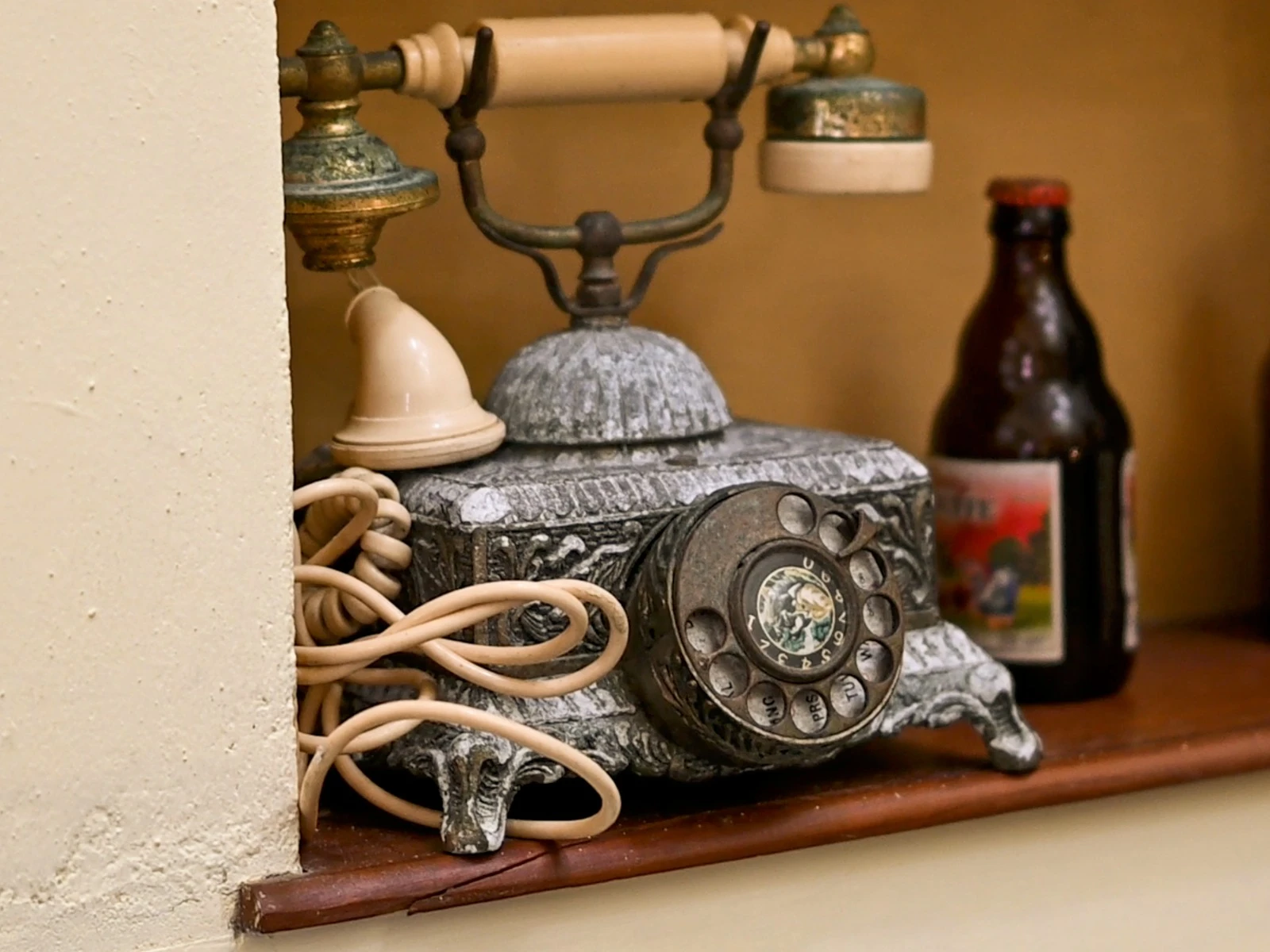
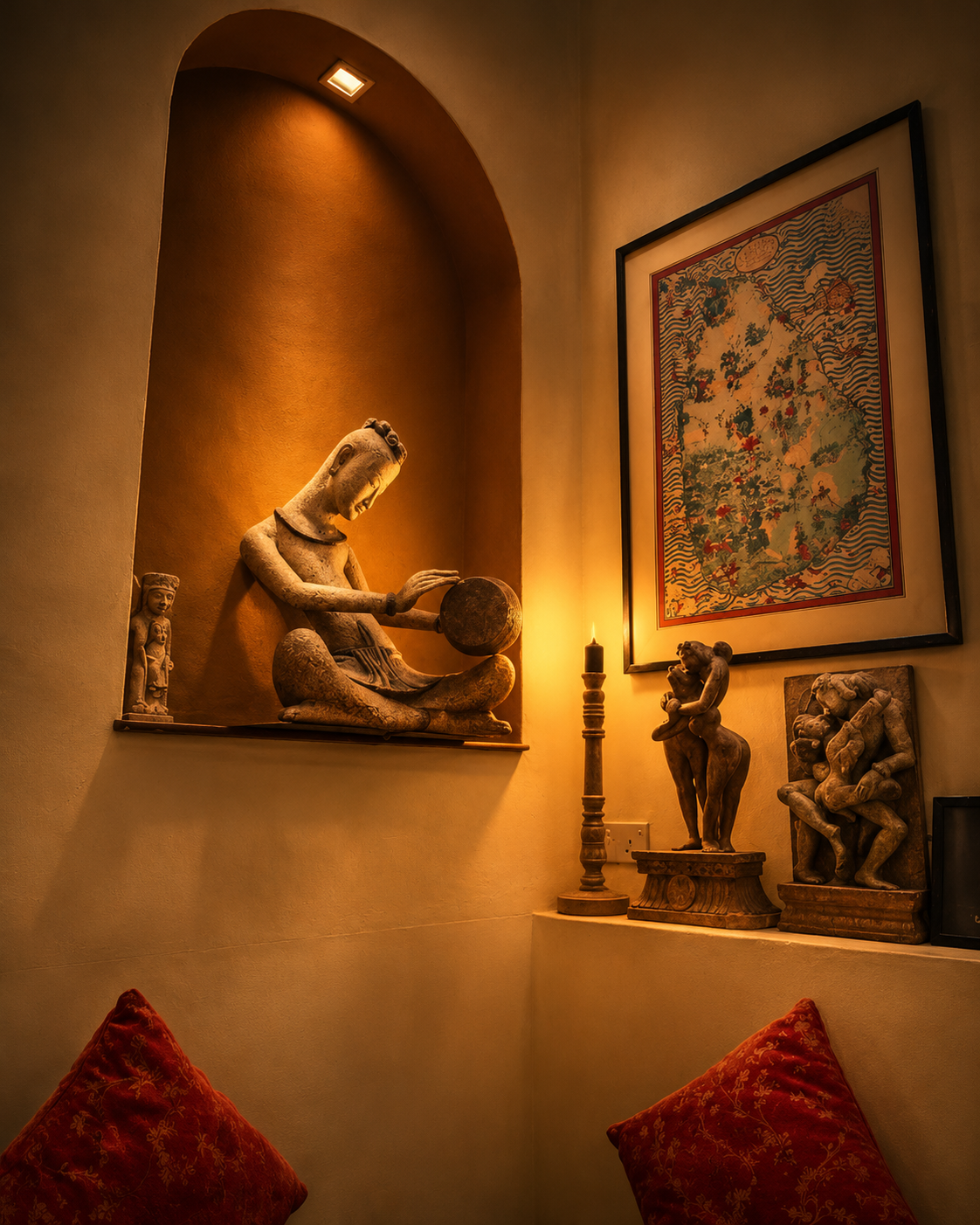
That idea inspired us to gather the objects that now surround our guests — traditional puppets and masks, antique furniture, paintings, sculptures and pieces from different cultures and places.
Each has its own story, and together they have become part of the story of Le Jardin.
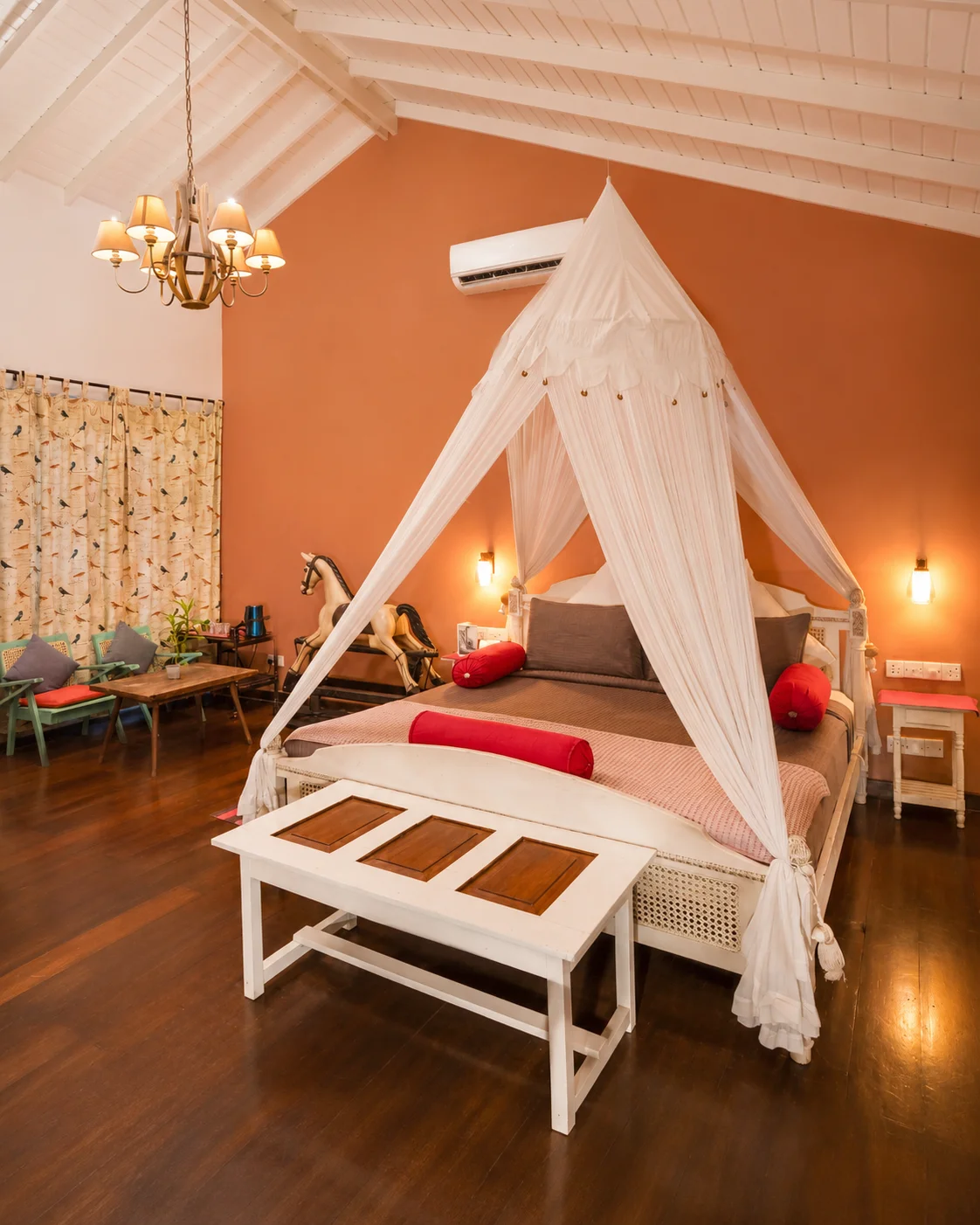
From a historic house
To Le Jardin du Fort.
With its restoration came a new chapter.
The old house became Le Jardin du Fort, but the intention was never to create the feeling of a conventional modern hotel.
Instead, guests are invited to experience the house much as a home is experienced — moving through its archways, discovering its courtyard, noticing old furniture and objects, and finding small details that reveal themselves gradually.
The history of the building therefore remains part of everyday life at Le Jardin.
The old and the new exist together, allowing the house to continue evolving while retaining the character that makes it distinctive.
“It is not simply about staying in a historic building. It is about living, for a little while, within its story.”
Another story within the house
The Puppets.
Craft. Character. Storytelling.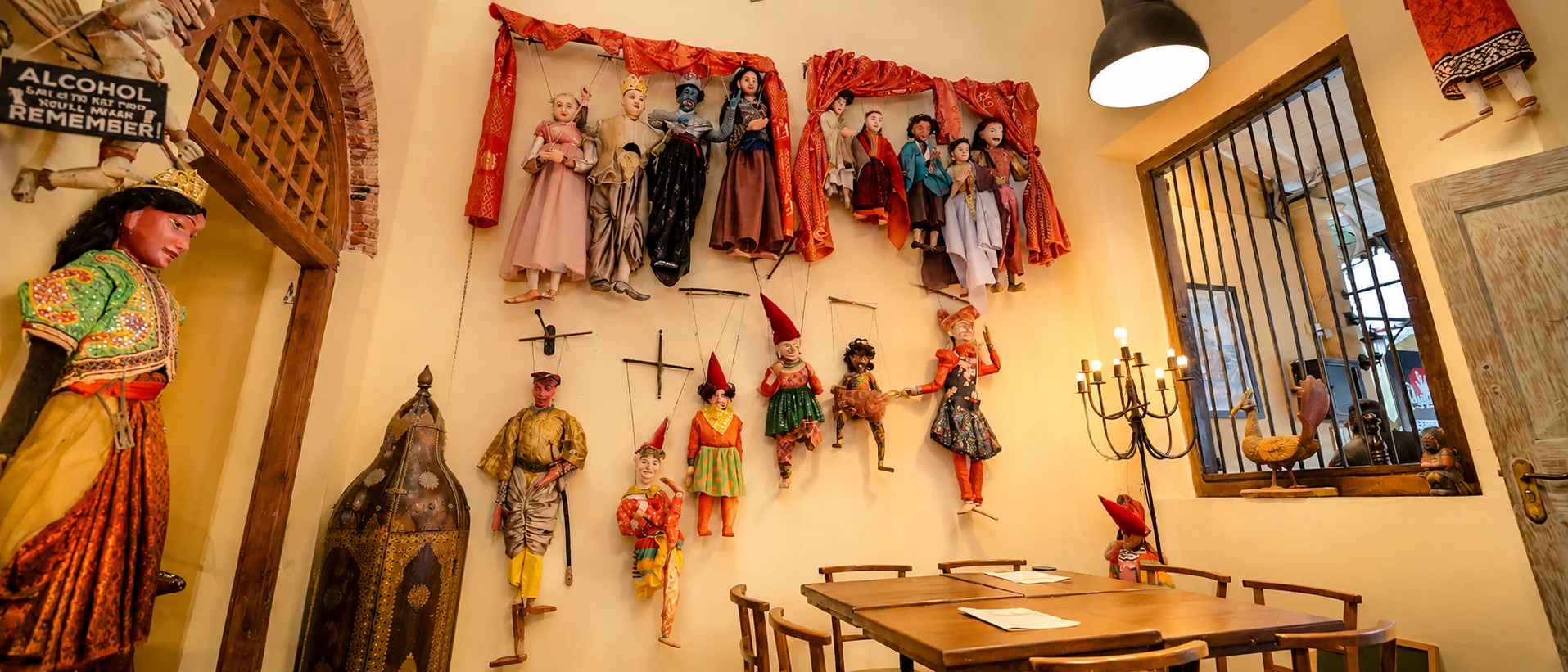
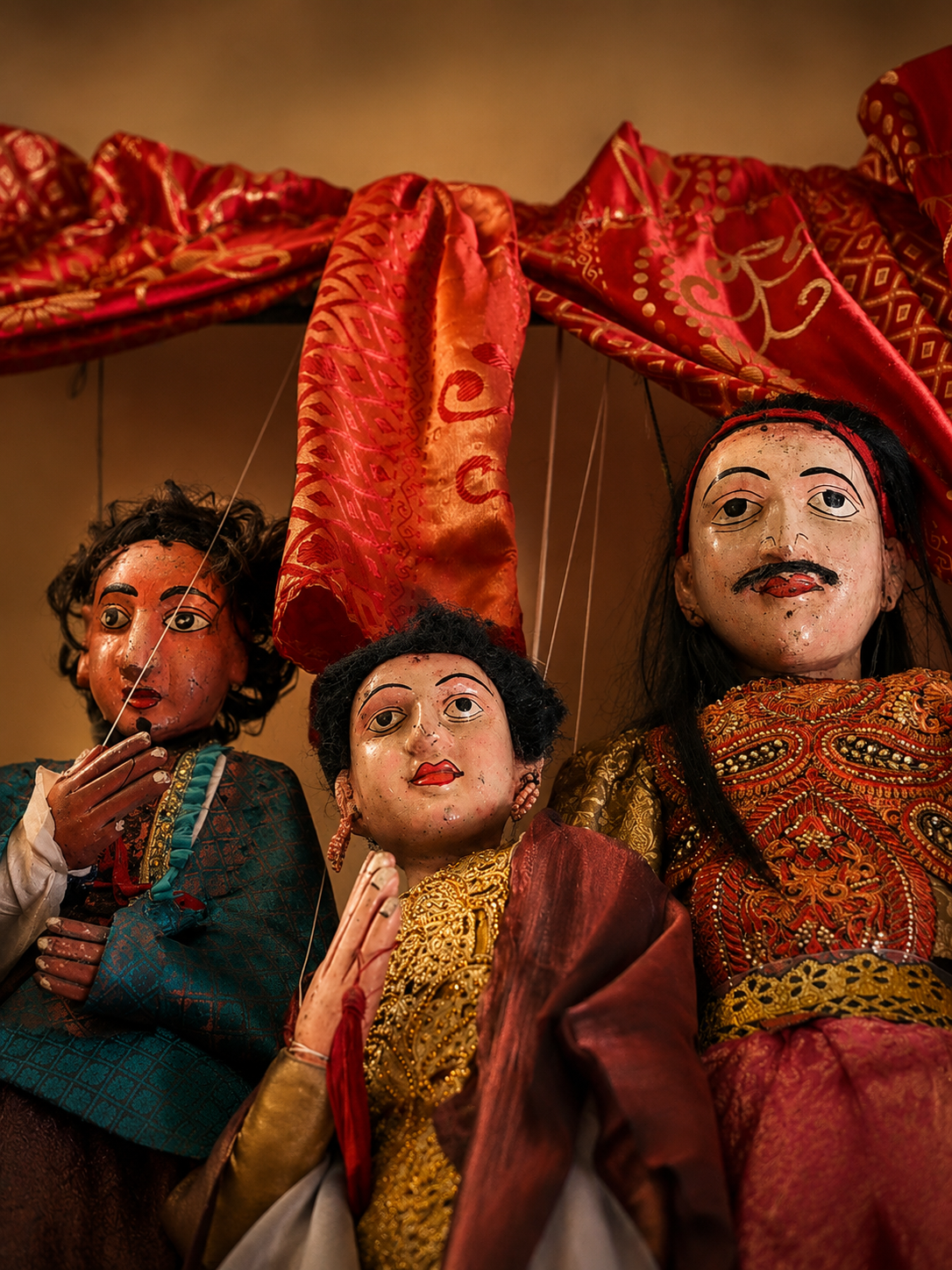
Among the many objects found throughout Le Jardin, perhaps the most distinctive are its traditional puppets and masks.
According to the owners, the traditional puppets were collected from a nearby town where generations of families made their living through puppet theatre.
Their expressive faces, elaborate costumes, colours and craftsmanship represent a tradition in which stories were brought to life through performance.
Rather than being kept away as museum pieces, the puppets became part of the visual character of the house.
Guests encounter them among the interiors, alongside other antiques, sculptures, paintings and objects collected over time.
The collection reflects the wider philosophy of Le Jardin:
“Objects from the past do not need to remain silent or hidden away. They can continue to tell stories when they become part of a living place.”
A little theatre within the house
From Collection to Puppets.
Over time, the personality of the puppet collection became connected with another part of the house — Puppets Restaurant & Café.
The name reflects the puppets already living within Le Jardin and the sense of theatre, character and storytelling they bring with them.
This makes Puppets more than simply a restaurant placed inside the property.
Its identity grows naturally from the house itself — from its collection, its colours, its objects and its slightly unexpected personality.
Food, conversation, antiques and storytelling therefore meet under the same roof, giving another life to a house that has already lived through many chapters.
A living house
The Story Is Still Being Written.
Le Jardin du Fort is not presented as a museum frozen in time.
It remains a living house — filled with guests, meals, conversations, objects and new memories, all becoming part of a story that began long before the hotel itself.